

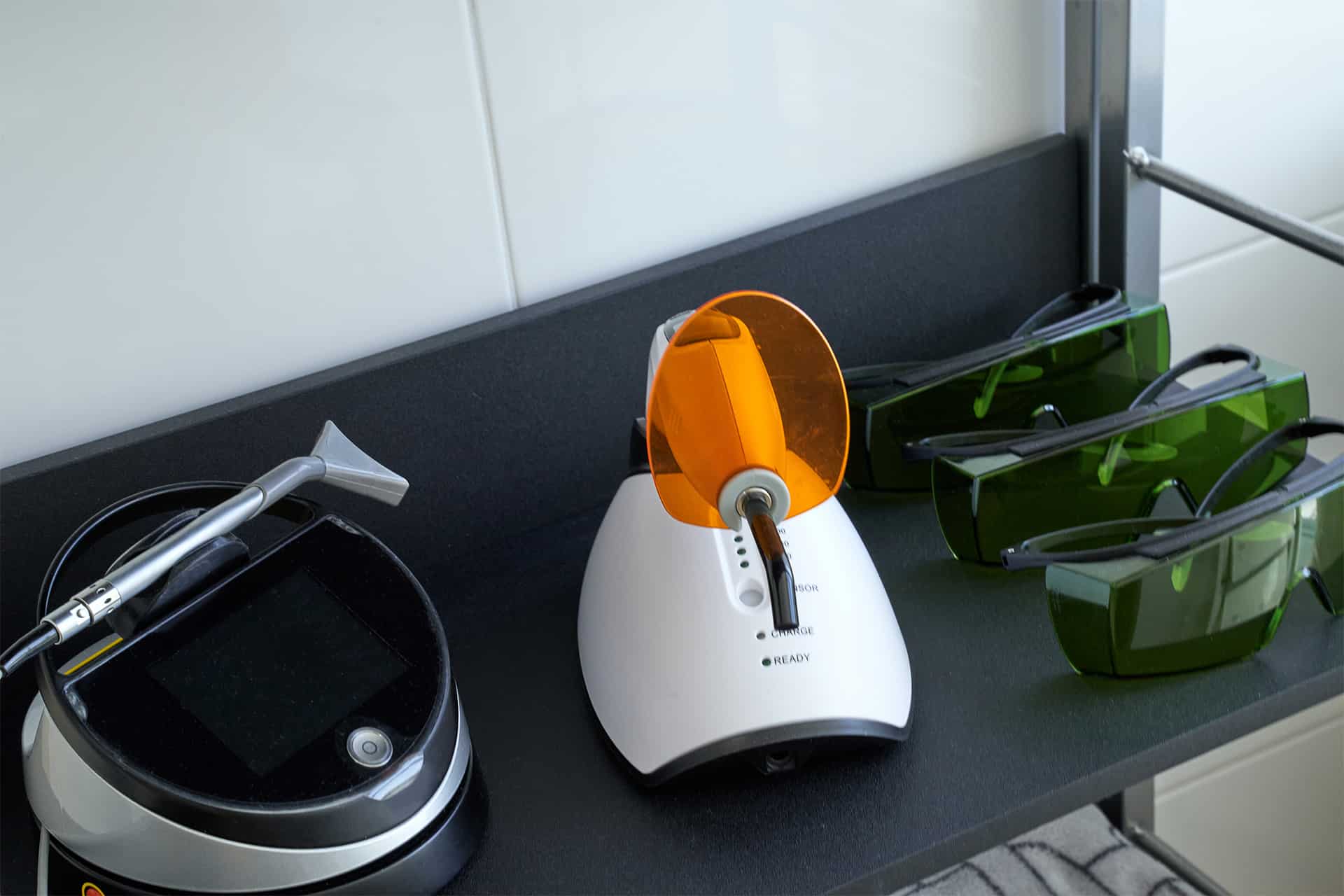
As dental techniques and tools evolve and are refined, the overall approach to dental surgical instruments is being reimagined to support:
- Greater precision
- Improved patient comfort
- More efficient workflows
Laser dentistry has rapidly transformed the way clinicians approach both routine and complex procedures, reshaping the landscape of modern dental care. Today, laser-based tools sit alongside traditional ones, offering clinicians a broader, more sophisticated treatment toolkit. This shift marks a significant milestone in advancing dental technology worldwide, and Thailand is no exception.
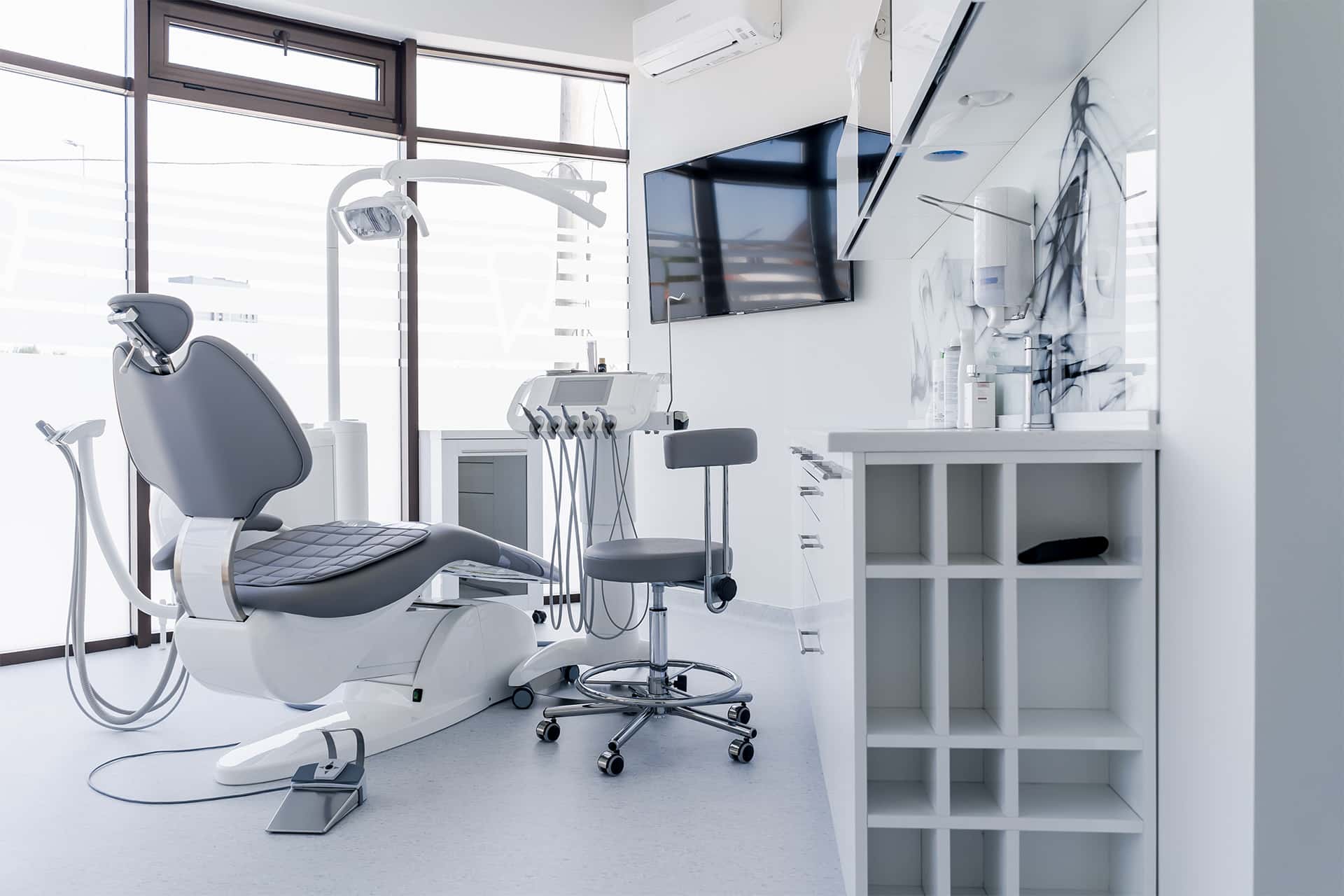
The Evolution of Surgical Dental Instruments
The development of dental instruments in Thailand and beyond has long been guided by the pursuit of:
- Accuracy
- Control
- Predictable clinical outcomes
Early instruments relied heavily on mechanical cutting tools, which formed the foundation of traditional, often dreaded dentistry. As technology advanced, devices became more refined, enabling:
- Better ergonomics
- Enhanced safety
- Improved sensitivity for clinicians
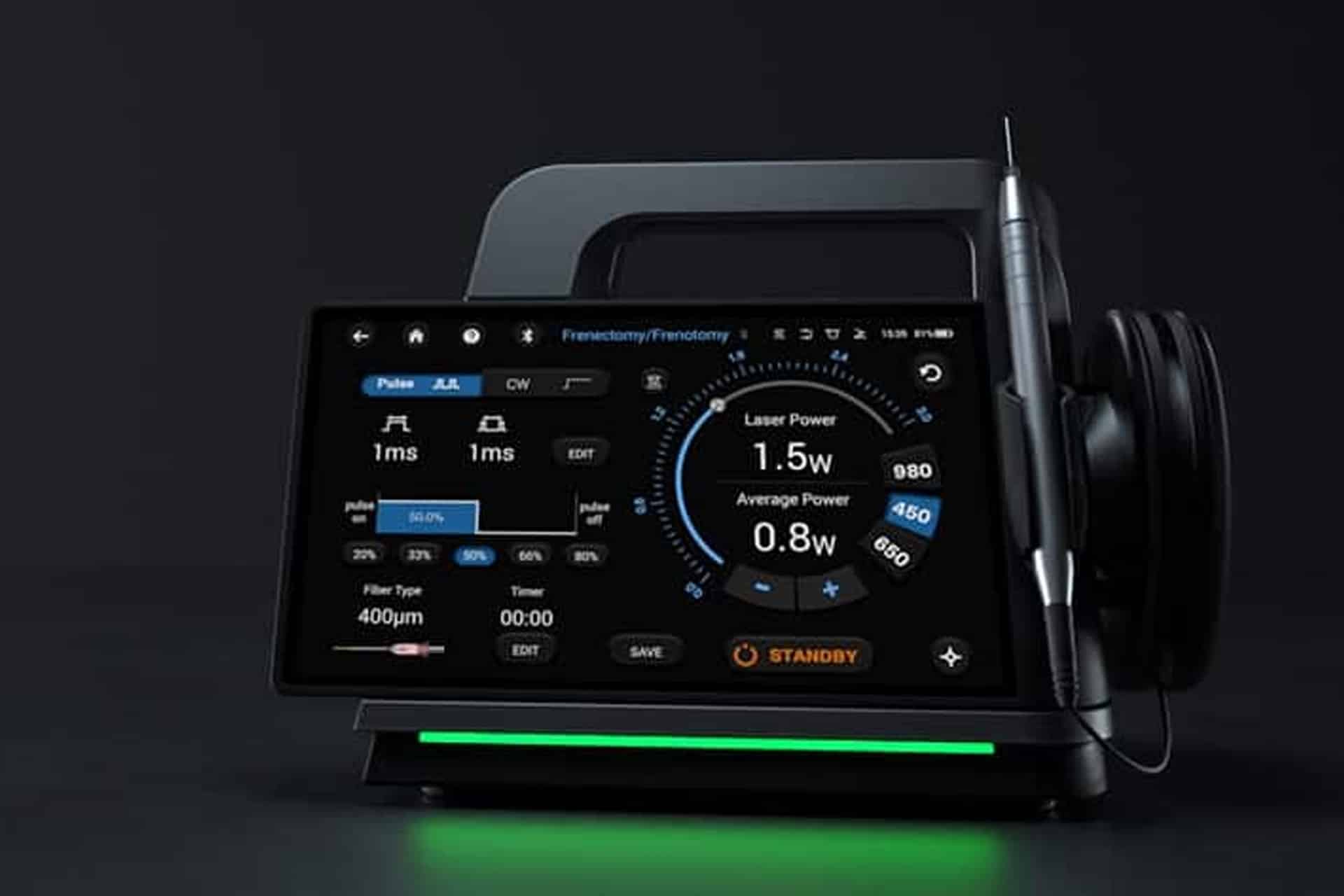
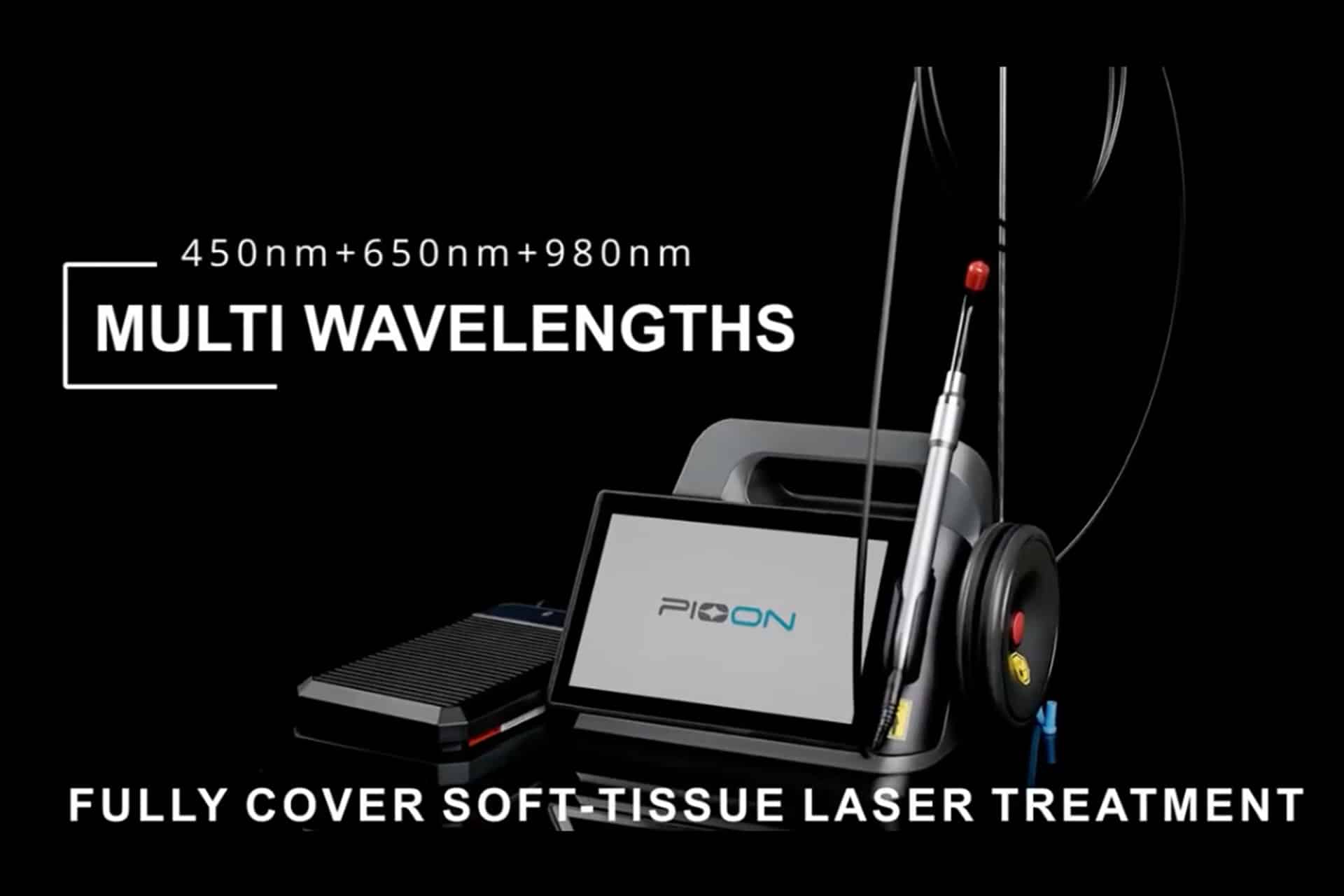
Laser technology represents the next game-changing step in this evolution. Modern laser units enable clinicians to cut, cauterise, and decontaminate tissue with unrivalled control and accuracy, reducing the reliance on mechanical tools.
This transition does not replace traditional dental surgical instruments; instead, it expands the available options and allows practitioners to choose the most suitable method for each scenario. This balanced approach ensures stability, flexibility, and confidence in both surgical and restorative procedures.
Clinical Benefits and Safety Standards
Laser-assisted dentistry offers a wide range of recognised clinical advantages. Patients typically experience:
- Reduced bleeding during soft-tissue procedures
- Less postoperative discomfort
- Faster healing times (due to the laser’s ability to minimise trauma to surrounding tissues)
In many cases, laser energy simultaneously cuts and sterilises the treatment area, reducing bacteria and supporting predictable, effective healing outcomes.
As always, safety remains paramount, and laser dental devices are developed in accordance with international regulatory expectations. High-quality systems are designed and manufactured in compliance with ISO standards for medical devices, and many are cleared under FDA guidelines before entering global markets. These strict benchmarks ensure that the technology delivers:
- Consistent performance
- Proper calibration
- Safe operation in clinical environments
Clinics in Thailand that use these instruments must comply with national medical device regulations, which require equipment to be used responsibly and in accordance with accepted clinical protocols. This coordination strengthens confidence in laser systems within modern dental workflows.
Accessing Advanced Dental Instruments in Thailand
As access to advanced laser systems spreads across Thailand, clinics are incorporating sophisticated equipment into everyday practice. When sourcing new technology, clinicians are encouraged to select authorised distributors who provide:
- Technical support
- Hands-on training
- Ongoing assistance
These are essential for ensuring that unfamiliar devices are used:
- Effectively
- Safely
- In complete alignment with treatment goals
For clinics seeking a reliable range of instruments, W&H Tech offers a comprehensive selection of dental tools and products designed to meet the most exacting professional standards.
FAQs
How has laser technology improved surgical dental instruments?
Laser systems:
- Enhance precision
- Reduce tissue trauma
- Support faster healing than mechanical tools
What safety standards apply to laser dental instruments in Thailand?
These devices typically follow ISO and FDA guidelines and must also comply with Thai medical device regulations.
Where can clinics source professional dental instruments in Thailand?
Clinics should purchase from authorised distributors such as W&H Tech, which offer training, product guidance, and ongoing technical support.
