


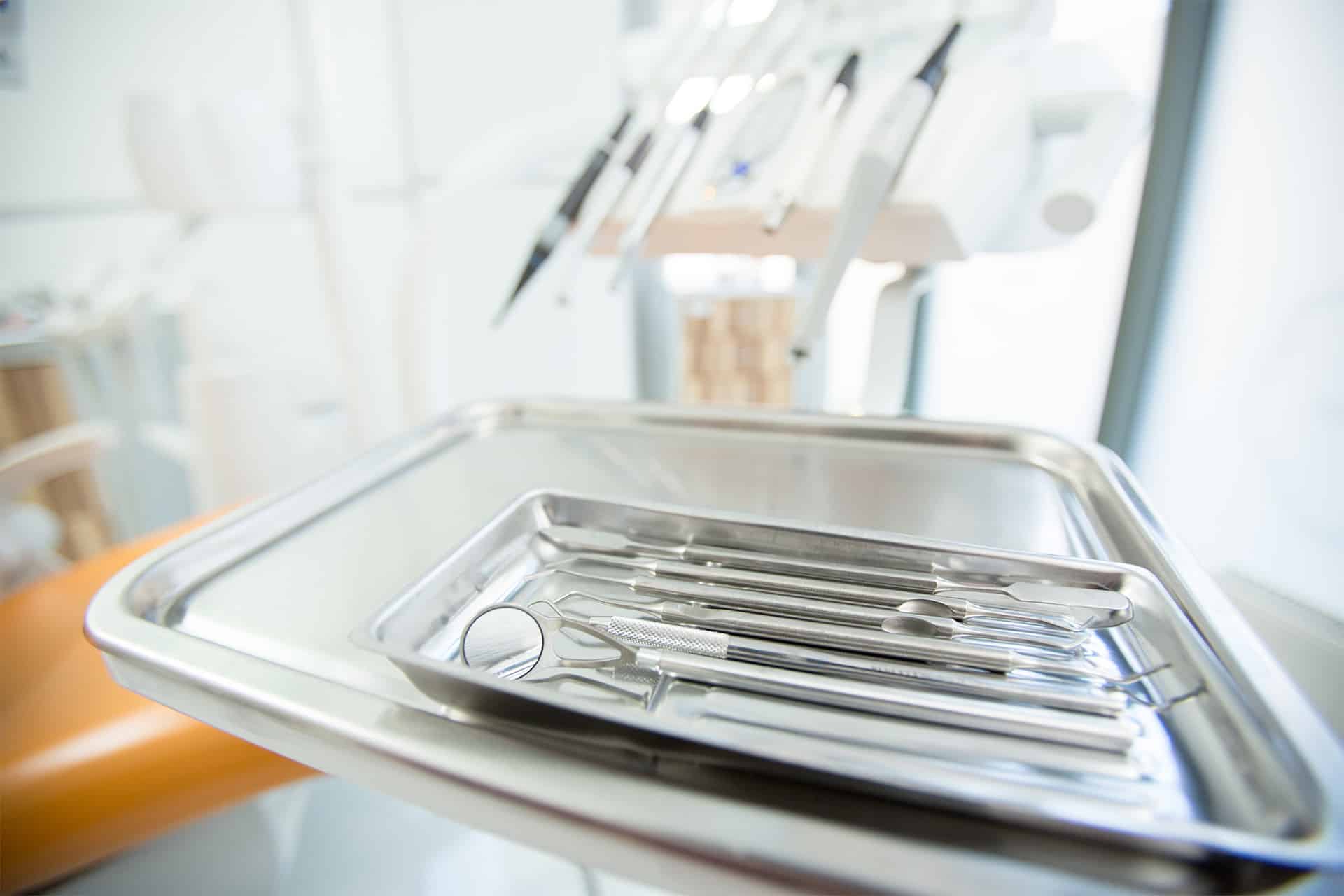
Proper care of dental tools is essential for maintaining clinical standards, protecting patient safety, and extending the working life of valuable equipment. In Thailand’s warm, humid climate, dental practices face additional challenges from:
- Corrosion
- Contamination
- Wear and tear
Without correct handling and maintenance, even high-quality instruments can deteriorate quickly. Proper cleaning, sterilization, and storage procedures ensure dental tools remain:
- Safe
- Reliable
- Compliant with hygiene standards
For clinics looking to maintain high-quality outcomes, reliable dental tools and adequate maintenance are fundamental to daily operations. They reduce long-term costs and ensure consistent performance.
Essential Cleaning Protocols for Surgical Dental Instruments
Cleaning
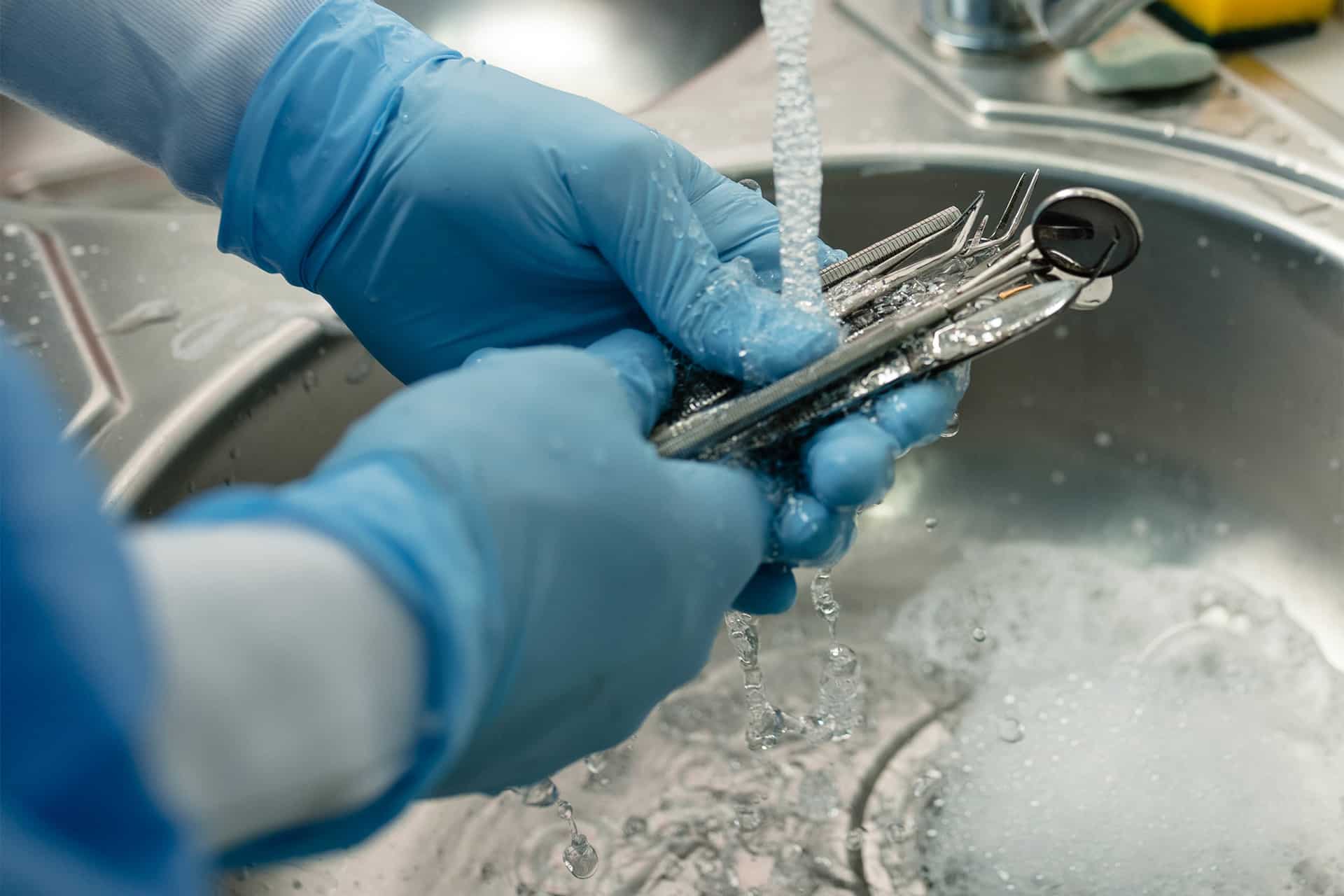
Instruments should be cleaned after use to remove visible debris:
- Pre-rinsing under running water
- Manual scrubbing, using:
- Soft brushes
- Neutral pH detergents to avoid scratching or chemical damage
- Ultrasonic cleaning, where appropriate, to remove inaccessible fine debris
Drying
Sitting moisture can accelerate oxidation and surface damage in Thailand’s humid environment:
- Use a lint-free, medical-grade cloth or sterile compressed air
- Dry all hinges, joints, and serrated areas carefully
- Avoid air-drying on open benches, as this increases contamination risk
- Ensure no visible moisture remains, especially in box joints and lumens
Sterilization
Sterilization eliminates microorganisms:
- Instruments must be thoroughly dried before being placed in an autoclave
Care and Maintenance of Orthodontic Pliers
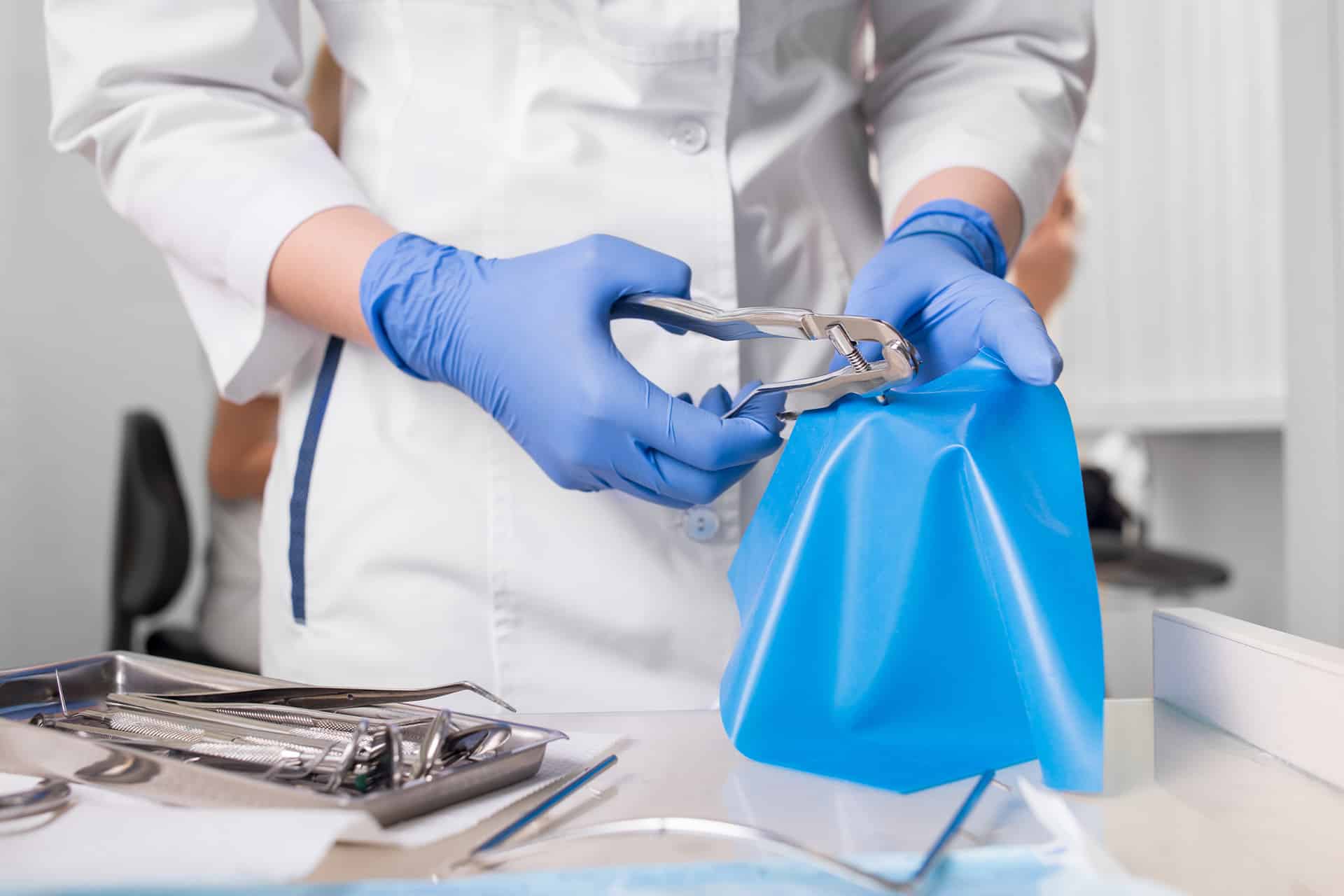
Orthodontic pliers require particular attention, as their hinges and cutting edges are vulnerable to damage if not handled correctly. After each use, pliers should be:
- Cleaned promptly
- Inspected for debris around joints
- Lubricated using a medical-grade, steam-permeable lubricant, particularly after sterilisation cycles
- Kept away from:
- Harsh chemicals
- Abrasive cleaners
- Prolonged soaking
- Routinely inspected to check:
- Hinges
- Joints
- Cutting edges
Clinics can explore purpose-built options via W&H Tech’s range of orthodontic pliers, designed for quality, durability, and consistent performance.
Choosing the Right Dental Instruments Distributor
Selecting a trusted dental instruments distributor ensures access to tools designed to withstand repeated cleaning and sterilisation cycles, providing:
- Consistent product standards
- Technical guidance
- Equipment suited to local operating conditions
Working with an established distributor like W&H Tech gives dental professionals confidence that their tools are built to perform reliably and meet international hygiene standards for:
- Longevity
- Safety
- Daily clinical use
High-quality instruments, combined with correct care practices, help protect both patient outcomes and long-term clinic investment. To learn more, please don’t hesitate to contact our experts; they’re ready to assist.
Frequently Asked Questions
What is the difference between cleaning and sterilising dental tools?
Cleaning removes visible debris, while sterilisation eliminates microorganisms, including bacteria and viruses.
How often should orthodontic pliers be lubricated?
Orthodontic pliers should be lubricated regularly, ideally after each sterilisation cycle or at least once daily in busy clinics.
What are the most common causes of corrosion on dental tools?
Corrosion is commonly caused by high humidity (as in Thailand), moisture left on instruments, exposure to harsh chemicals, the use of improper cleaning agents, and incomplete drying before sterilisation.
Can all surgical dental instruments be sterilised in an autoclave?
Most surgical dental instruments are designed to withstand autoclave sterilisation, but manufacturers’ guidelines should always be followed.
Why is ultrasonic cleaning recommended before sterilisation?
Ultrasonic cleaning removes fine debris from hard-to-reach areas that manual cleaning may miss, improving the effectiveness of sterilisation and helping prevent long-term damage caused by trapped residue.
